Source Ecofriendly Food Tin Can for Tea, Food, and Chemical Packaging
Find 30 ecofriendly food tin can options for tea, food, and chemical storage. Compare capacities from 200ml to 3L, custom designs, and ISO-certified manufacturers in China to find the right metal packaging solution; compare the available evidence and request quotations based on your requirements.
Key considerations
Products List




Comprehensive Sourcing Guide
Ecofriendly Food Tin Can Sourcing Guide
Procuring ecofriendly food tin cans requires a strategic focus on material integrity and end-of-life recyclability, as these containers are primarily valued for their ability to preserve product quality while minimizing environmental impact. Buyers must prioritize suppliers who explicitly confirm the use of tin-plated steel, a material that offers superior barrier properties against moisture and oxygen compared to many alternatives. The observed market data indicates a strong emphasis on recyclability, ensuring that the packaging aligns with modern sustainability mandates and circular economy principles.
When initiating a search, it is critical to distinguish between general metal containers and those specifically engineered for food contact applications. The available listings highlight specific usage categories including tea, food, and chemical storage, suggesting that the tin can design must be robust enough to handle diverse product viscosities and chemical compositions. Sourcing teams should verify that the internal lacquer systems are compatible with the intended food type to prevent any potential chemical migration or flavor contamination during the shelf life of the product.
Product Scope and Observed Listing Signals
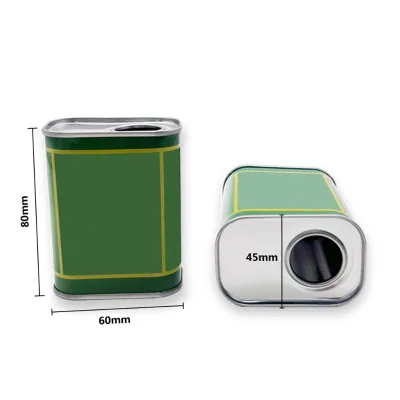
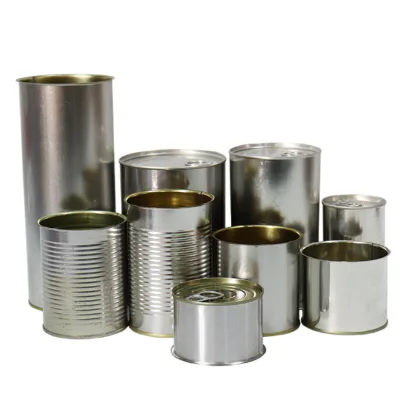
The current market landscape for ecofriendly food tin cans presents a wide spectrum of capacities, ranging from small 30ml units to large 3-liter containers, catering to both premium single-serve items and bulk industrial storage needs. Buyers will encounter various form factors, including round bottles and small package tanks, which necessitates a clear definition of the required volume and shape before engaging with potential vendors. The diversity in standard sizes, such as 250ml, 500ml, and 1L, allows for flexible packaging strategies that can adapt to different product lines and consumer preferences.
Customization capabilities are a significant signal of supplier maturity, with many providers offering tailored solutions for branding and specific functional requirements. The observed data confirms that customization is widely available, allowing buyers to specify colors, printing details, and even unique dimensions to match their brand identity. However, it is essential to note that some listings indicate non-customized options, meaning buyers must explicitly request bespoke features if standard off-the-shelf solutions do not meet their specific aesthetic or functional criteria.
Technical Specifications to Verify
Technical due diligence must begin with the verification of body and lid thickness, as these dimensions directly influence the structural integrity and protection capabilities of the container. Observed specifications suggest a body thickness range of 0.15mm to 0.22mm and a lid thickness of 0.18mm to 0.22mm, which are critical parameters for ensuring the can can withstand internal pressure and external handling stresses. Buyers should request mill certificates or physical samples to confirm that the actual metal gauge matches the advertised specifications, as deviations can lead to product spoilage or packaging failure.
The sealing mechanism and internal coating are equally vital for maintaining the ecofriendly and food-safe attributes of the tin can. The market data points to screw cap sealing types and internal lacquers in gold or white aluminum finishes, which serve as barriers between the metal and the food contents. Procurement teams must verify that the external coating processes, which may involve 1 to 7 colors of printing, do not compromise the recyclability of the metal or introduce hazardous substances that could interfere with the recycling stream.
Compliance and Safety Documentation
Ensuring regulatory compliance is a non-negotiable step when sourcing food-grade packaging, as the tin cans must meet strict safety standards for direct food contact. The observed listings frequently cite ISO and CE certifications, which serve as indicators that the manufacturing processes adhere to recognized international quality and safety management systems. Buyers should demand current, valid certificates from accredited bodies rather than relying on self-declared claims, ensuring that the supplier's quality management system is actively maintained and audited.
Beyond general certifications, specific food safety documentation is required to validate the suitability of the internal lacquer and metal composition for the intended application. While some listings mention CIQ certification, which is relevant for export markets, buyers must also verify compliance with local food safety regulations in their target regions. It is crucial to confirm that the supplier can provide migration test results or safety data sheets that prove the packaging does not leach harmful substances into the food products under normal storage and usage conditions.
Cost Drivers and Commercial Terms
The pricing structure for ecofriendly food tin cans is heavily influenced by the volume of the order, the complexity of customization, and the specific metal thickness required. The observed price range spans from $0.05 to $22.50, reflecting the vast difference between small, simple units and large, highly customized containers. Buyers should anticipate that higher customization levels, such as multi-color printing or unique shapes, will incur additional costs that must be factored into the total landed cost calculation.
Commercial terms and payment structures play a significant role in the overall procurement strategy, with the observed standard being a 30% deposit in advance followed by the balance before shipment. Lead times are typically reported between 10 to 15 days, but this can vary based on the order size and the availability of raw materials. Procurement teams must negotiate clear terms regarding delivery schedules and penalties for delays, ensuring that the supply chain remains resilient against potential disruptions in the manufacturing or logistics sectors.
Supplier Qualification and Quality Control
Supplier qualification should extend beyond basic certification checks to include a thorough assessment of their production capabilities and quality control protocols. The observed data indicates that suppliers are located in regions like Guangdong and Jiangsu Wuxi in China, which are known for their manufacturing clusters but require rigorous on-site or third-party audits to ensure consistent quality. Buyers should verify the supplier's capacity to handle their specific order volume, as the observed MOQ ranges from 1 to 500,000 units, indicating a need to match order size with supplier flexibility.
Quality control measures must be embedded into the procurement agreement, with specific attention paid to the consistency of the tin plating and the integrity of the sealing process. Since the product is intended for food and chemical use, any defect in the lacquer or seal could lead to catastrophic product failure. Buyers should establish clear acceptance criteria for visual defects, dimensional accuracy, and seal strength, and consider requesting pre-shipment inspections to mitigate the risk of receiving non-conforming goods.
Long-Term Procurement Checks
Establishing a long-term partnership with a tin can supplier requires a commitment to continuous improvement and regular performance reviews to ensure sustained quality and reliability. Buyers should implement a system for tracking supplier performance metrics, such as on-time delivery rates, defect rates, and responsiveness to quality issues, to identify any trends that might indicate a decline in service. Regular audits and feedback loops are essential to maintain the high standards required for food-grade packaging and to foster a collaborative relationship that drives innovation.
Sustainability commitments must also be monitored over time, as the ecofriendly nature of the product is a key value proposition for the buyer. Procurement teams should verify that the supplier continues to adhere to their recyclability claims and maintains their environmental certifications without lapse. By regularly reviewing the supplier's environmental impact and material sourcing practices, buyers can ensure that their supply chain remains aligned with their corporate sustainability goals and regulatory requirements for the long term.
FAQs
What certifications do these ecofriendly food tin cans have?
These ecofriendly food tin cans are certified with ISO and CE standards to ensure quality and safety. Some listings also include CIQ certification for international trade compliance. The metal material is recyclable and labeled as eco-friendly, making them suitable for food, tea, and chemical packaging applications while meeting industrial use requirements.
Can I customize the design and printing on these tin cans?
Yes, customization is available for these tin cans, including color and printing options. Buyers can choose from 1 to 7 colors for external coating, with internal lacquer options like gold or white aluminum. The supplier accepts custom orders, allowing for tailored designs to meet specific branding or packaging needs for various product types.
What are the standard sizes and specifications for these tin cans?
Standard sizes include 250ml, 500ml, 750ml, 1L, 2L, and 3L, with specific models like 300ml or 200ml also available. Dimensions vary, such as D72.9×H51mm for certain models. Body thickness ranges from 0.15-0.22mm, and lid thickness is 0.18-0.22mm, ensuring durability for food and chemical storage applications.
What is the minimum order quantity and delivery time for these cans?
The minimum order quantity varies, with some listings requiring 5000 units, while others start from 1 unit. Delivery time is typically 10-15 days after order confirmation. Payment terms usually involve a 30% deposit in advance via T/T, with the balance paid before shipment, ensuring secure transactions for bulk orders.
Where are these ecofriendly food tin cans manufactured and shipped from?
These tin cans are manufactured in China, with origins noted in Guangdong and Jiangsu Wuxi. The products are packed in cartons or pallets for safe shipping. Samples are provided freely for quality verification, and the supplier supports international logistics to ensure timely delivery to global buyers seeking reliable metal packaging solutions.
What sealing types and packaging methods are used for these tin cans?
These tin cans feature screw cap sealing types to ensure airtight storage for food, tea, or chemicals. Packaging methods include cartons, pallets, or PE bags combined with pallet packing for stability. This secure packaging protects the cans during transit, maintaining their integrity and eco-friendly recyclable properties until they reach the end user.